
I’m a 90s kid, and I loved the old cartoons a lot. Gone are those days of lazy weekends and the wait to watch the shows. Today, it is all about chaos and stimulation. I’ve made a conscious choice to show low-stimulation, meaningful cartoons to my little girl. Trust me, overstimulation does affect them in everyday routine. If you have been searching for low-stimulation cartoons for kids, then keep reading to know more about some great shows. These slow-paced cartoons are calm, sweet, and teach good values. Check these 6 low-stimulation cartoons for kids that are actually worth watching.
Table of Contents
Little Bear
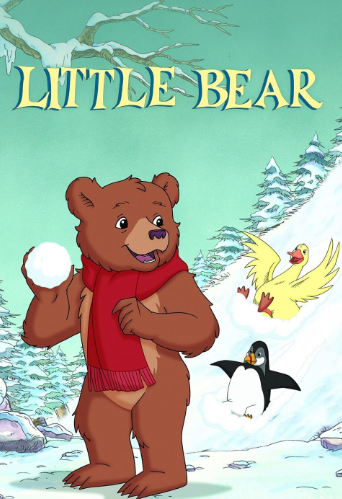
A 31-year-old show that takes you right through fun adventures of the late 19th century and straight to the American wilderness. This is on YouTube and has around 65 episodes. Little Bear follows a six-year-old bear cub who spends his days playing in the woods, using his imagination, and going on quiet adventures with his friends. That is pretty much it. And somehow, that is everything. The animation is classic and slow. What makes it special is how present it feels. The art of noticing small things and the curiosity each character has is quite a visual treat.
Franklin
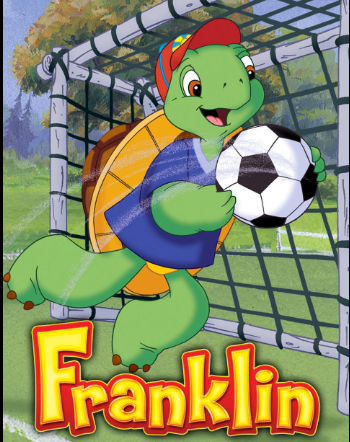
A young turtle who lives in a nice and cosy woodland village with his family and friends. Every episode is like normal real-life everyday situations. These include making mistakes and rectifying them, feeling a little left out, learning to be honest, sharing with friends, and, most importantly, being expressive. The pace is slow yet beautiful. I’ve personally watched these episodes and totally loved them. The best part is there are no negative things, just a small turtle trying to be a good friend and son. Simplicity is the greatest strength 🙂 Kids will definitely feel the warmth in the characters.
Daniel Tiger’s Neighbourhood
This is a new one and has Daniel Tiger. A perfect cartoon for preschoolers, we came across this recently and wish I’d known about it before. It is essentially Mister Rogers’ Neighbourhood for this generation, and it carries that same gentle yet intentional spirit. Each episode focuses on one emotional skill – how to say sorry, handle anger, deal with disappointment. I love how each lesson is wrapped with a small meaningful song that my daughter often remembers and hums in real life. It definitely adds a smile to kids’ faces.

The Berenstain Bears
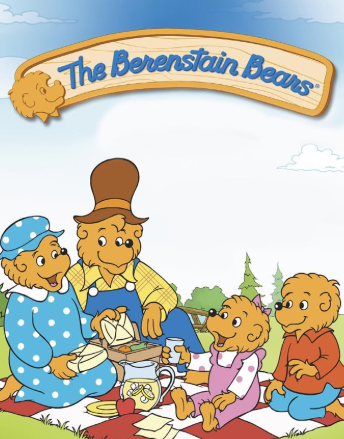
A classic, popular book-based series, this one has been around for decades and has a good reason it keeps coming back. The show follows a bear family – Papa Bear, Mama Bear, Brother, Sister and little Honey. They live in a tree house in Bear Country and navigate everyday life. Every episode is clear, with a simple moral woven into a relatable story. It teaches simple life lessons like being responsible, dealing with peer pressure, and keeping your room tidy. The characters are warm, and the family dynamic feels real and loving. Makes the kid feel safe and understood.
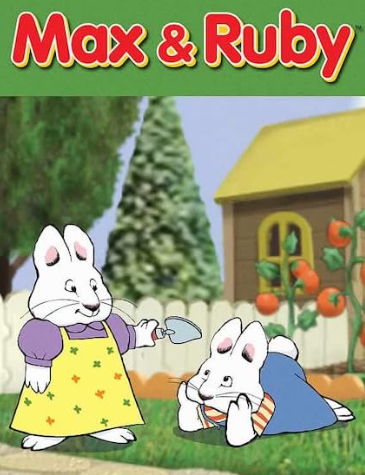
Max and Ruby
If your kid needs the most low-key screen time possible, this is your answer. The show is about two rabbit siblings – energetic little brother Max and patient elder sister Ruby. Their everyday interactions are simple, funny, quiet, and interesting. The stories are small, and Max has minimal dialogue. On the other hand, Ruby is trying to do something but Max wants something else, and they find a way to meet in the middle. This makes it quite calming to watch.
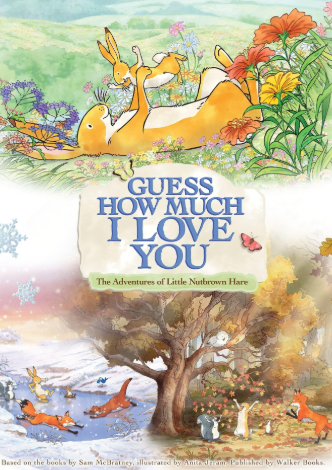
Guess How Much I Love You
It follows Little Nutbrown Hare and his father, Big Nutbrown Hare, through gentle seasonal adventures in the meadow. The episodes are short, soft, and deeply comforting. The central theme—the love between a parent and a child—runs through every story. I personally like the watercolour animation quality that feels almost like flipping through an actual illustrated picture book. If you are looking for calm cartoons for toddlers before bedtime, this one is hard to beat.
Quick Reference – 6 Low-Stimulation Cartoons for Kids at a Glance
| Show Name | Best age (Kids) | Where to watch? | What does it teach? |
|---|---|---|---|
| Little Bear | 3–6 | YouTube | Imagination, nature, slow pace, adventure, friendship |
| Franklin | 3–7 | YouTube | Friendship, honesty, gentle stories, exploring |
| Daniel Tiger | 2–6 | YouTube | Emotional skills, Friendship, & easy songs |
| Berenstain Bears | 3–7 | YouTube | Family values, moral lessons |
| Max and Ruby | 2–5 | YouTube | Sibling stories, minimal dialogue |
| Guess How Much I Love You | 2–5 | YouTube | Parent-child love, bedtime perfect |
All 6 Low-Stimulation Cartoons have one thing in common – they do not try to keep your child hooked through constant noise and speed. Instead, they make me listen and observe the characters’ actions and behaviour. Slow, meaningful everyday stories build that attention span, and the calm characters help with emotional regulation. If you are tired of the constant colours and animations, try switching to these quiet shows and see how beautifully they work for your child. And honestly? You might find yourself watching along too, just like I do.
This blog post is part of ‘Blogaberry Dazzle’
hosted by Cindy D’Silva and Noor Anand Chawla
in collaboration with Tanvi Agarwal.












August 15, 2026 at 10:13 pm
In a 70s kid and my only love was Walt Disney, Donald Duck, Mickey Mouse and Tom & Jerry. Now, Little Bear is on my list considering all these are easily available on YouTube. No kids in our house, but I find cartoons great stress busters.
August 16, 2026 at 2:25 pm
My kids were born 3 decades ago, and my grandsons live in Mexico. I feel ancient and out of date, as the list you shared is totally new to me. But, they will be helpful to new moms who can do with suggestions.
August 17, 2026 at 11:24 am
This looks like a very sensible list of recommendation. My daughter used to watch Sunny Bunny and I felt it was so loud.
August 18, 2026 at 1:09 pm
I will be honest that I have been looking to watch some new cartoon or kids shows, and I was not finding many new ones, so now your list is going to be my saviour, thanks for writing about them.
August 19, 2026 at 11:59 am
I’m an 80s kid and truly miss the engaging and fun cartoons of our time. My kids are grown up now and the last one I remember watching with them was Chhota Bheem and Masha and the Bear. Your list is making me curious to check them out. I still love watching cartoons!
August 19, 2026 at 12:28 pm
What a lovely post. I plan to watch all of them. Some day might be able to re-watch them with my grandkids.
August 19, 2026 at 2:46 pm
I remember Max and Ruby but haven’t watched the rest. Interesting lineup. Kids need these more in a age when the world around them is so chaotic.
August 19, 2026 at 5:22 pm
Little Bear was such a core part of my own childhood, so seeing it on this list made me smile. You’re so right that the quiet, unhurried pace is exactly what’s missing from most kids’ content today. Guess How Much I Love You sounds like the perfect bedtime addition, adding that one to the list now. Thanks for putting together such a thoughtful, genuinely useful roundup!
August 19, 2026 at 6:31 pm
Such a lovely, useful list! I’m definitely saving this for some calmer screen-time options. 😊
August 19, 2026 at 11:24 pm
A useful list for parents seeking calmer screen time options. I liked how thoughtfully these cartoons were selected. The low stimulation approach feels refreshing. Simple choices can make screen time more mindful.
August 20, 2026 at 10:13 am
Guess how much I love you is a favourite in our home. We love both the book and the movie and keep my little one glued to it! 🙂 Thanks for the recommendations, I will check them out.
August 21, 2026 at 6:52 pm
I really liked how this list brings attention to something we often overlook—kids don’t always need loud, fast-paced entertainment to stay engaged. The emphasis on slower storytelling, simple everyday situations, emotional learning, and gentle visuals makes these recommendations feel thoughtful and genuinely useful. Little Bear and Guess How Much I Love You especially stood out to me, because there’s something comforting about children’s content that leaves space for imagination instead of constantly demanding attention.